I think that the most important thing that I learned this year wasn’t any particular digital tool (even though Omeka was pivotal to my digital project), but rather the skill of learning new digital tools. I felt as if I got a good sense of how the weekly training modules worked, and I could compare my experience learning one tool or doing one of the trainings to another, and to develop a more general approach to teaching myself unfamiliar technologies or digital tools effectively and confidently in the future. One piece of advice I would give my past self about becoming a Vivero Fellow is to make sure you log your hours on your worklog and ADP, because even small tasks (such as composing emails, zoom calls with project lead, and writing this blog post, to name a few) will count as work time! Additionally, I would also caution my past self to not ‘rush’ through the trainings in the hopes that you would finish them as fast as possible such that you would have more time to work on other things during a drop-in shift. Instead, I would want to spend some time after completing the training, either by myself or with another fellow, to explore a digital tool further.
For my project this year, my project lead and I digitized an existing database of peer reviewed references (mainly scholarly articles) informing effective ways to teach STEM subjects. Our database is created, and we have implemented multiple systems to upload more references in the future. I think that the part of my work that I am most proud of is my growth when it comes to reading and engaging with the peer reviewed references. While most of my role in creating the database was technical, a large portion of the work at the beginning of the year consisted of me analyzing each reference before writing a short summary, similar to an abstract, and subsequently adding “tags” or keywords that corresponded to each reference (these would typically be words found frequently within each reference, or words noting specific pedagogical techniques or demographics within a study). The documentation that I have created for this project has been written to make the database sustainable and usable beyond my own involvement, as it clearly outlines how to add new references, apply consistent tagging practices ,and navigating the system for future site contributors.
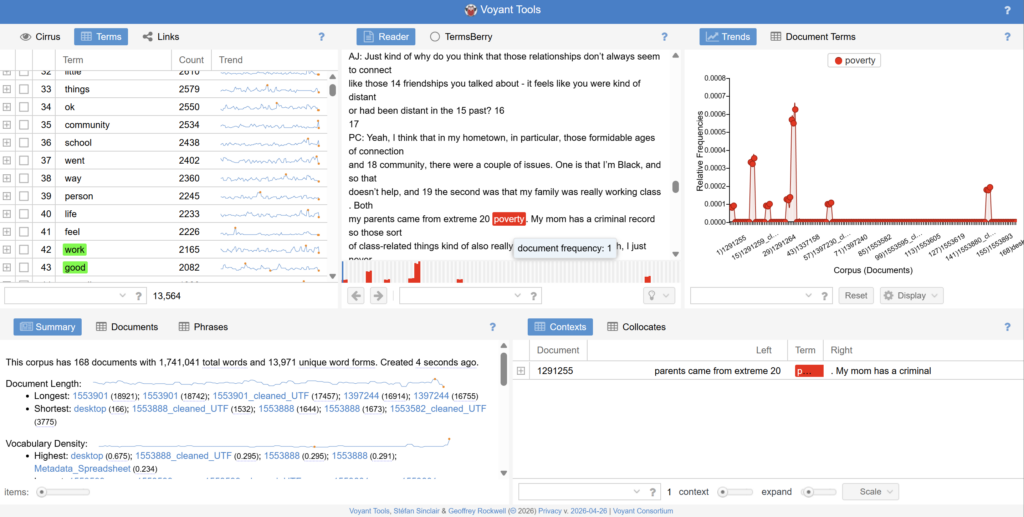
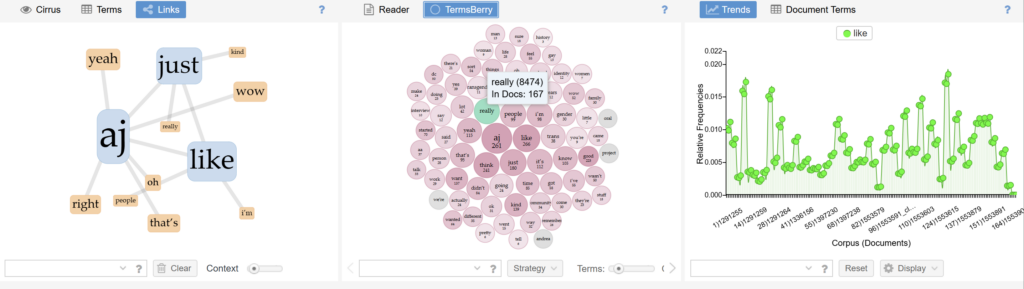
Looking forward, I would be interested in exploring digital scholarship methods that expand on the work I did this academic year, particularly in areas like data visualization and text analysis (such as Voyant). I am particularly interested in how large collections of information (such as the articles I worked with) can be organized, analyzed, and presented in more interactive and accessible ways. As well as this, I’d also like to learn more about mapping tools and visualization platforms that could help indicate patterns or trends within data. And, as a physics major, I’m also interested in how digital tools can support further research and communication within STEM education, particularly in making research more accessible.